I arrived up in Maine at the perfect time: late August. Late August when daily high temperatures are still hovering around 90 degrees. Late August when you’d rather be outside and feel the breeze and smell red-hot the grills sizzling. Late August when the skies are blue, and the forests are green.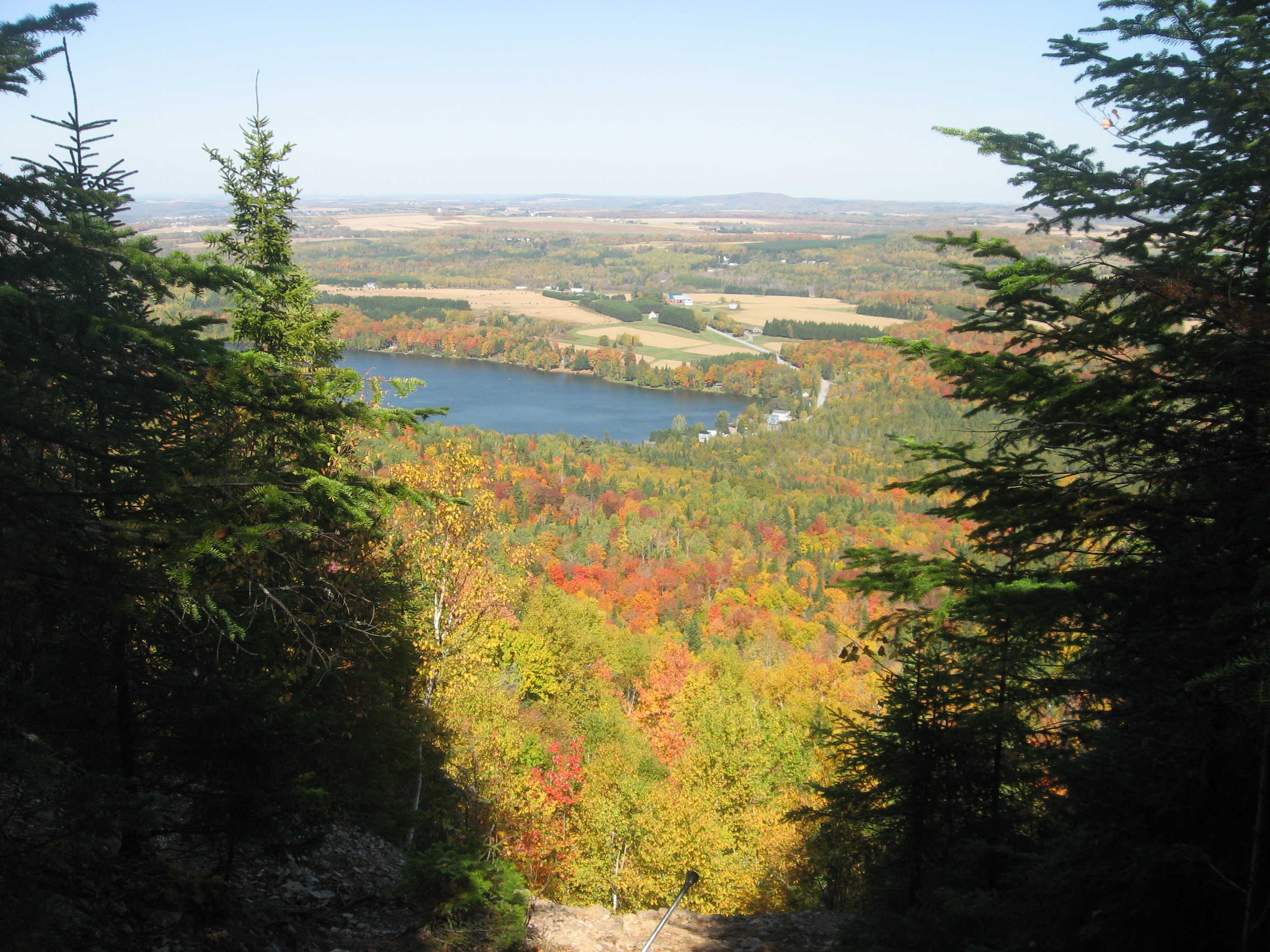
Fall comes here in Northern Maine about three weeks earlier than I’m used to. The leaves on the trees start turning in early September. It’s a slow and gradual process, and because of the climate, the sequence seems to go by so quickly.
I used to think Wisconsin had the best leaf-changing around, and I still do, as far as the Midwest is concerned. But New England is whole ‘nother ballgame. It makes southern Wisconsin look like single-A rookie ball, like an amateur instructional league on how to foliate. But New England is the big leagues, the prime time, the show. You don’t shed your leaves up here unless you really know what you’re doing.
Now I’m no forestry expert and I don’t pretend to be, so pardon my lack of knowledge of species and specifics. I think it’s almost better to describe the foliage without a hint of scientific explanation, and a purely naked and naive eye. Not being concerned with the how, or why, but simply the wow.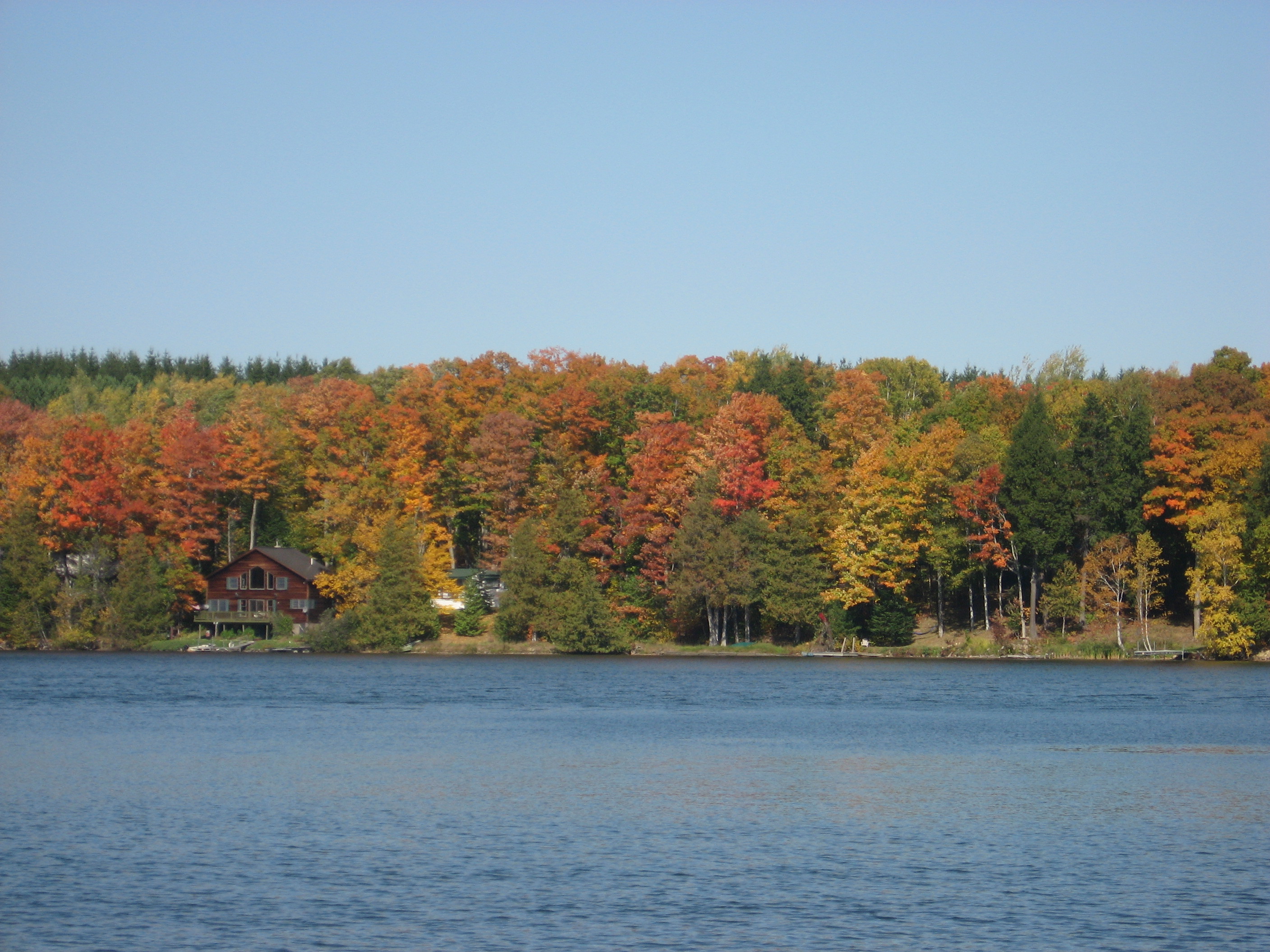
In early September, I noticed a few trees turning early, eager to show their excellent, hidden colors. Like they’d had enough of the long hot summer days. Like they wanted to show they had a lot more inside them than your average everyday concentration of chlorophyll. Like they’d been working tirelessly since first budding in the spring, and have been preparing for period of pizazz before the snow comes and wipes the canvas clean.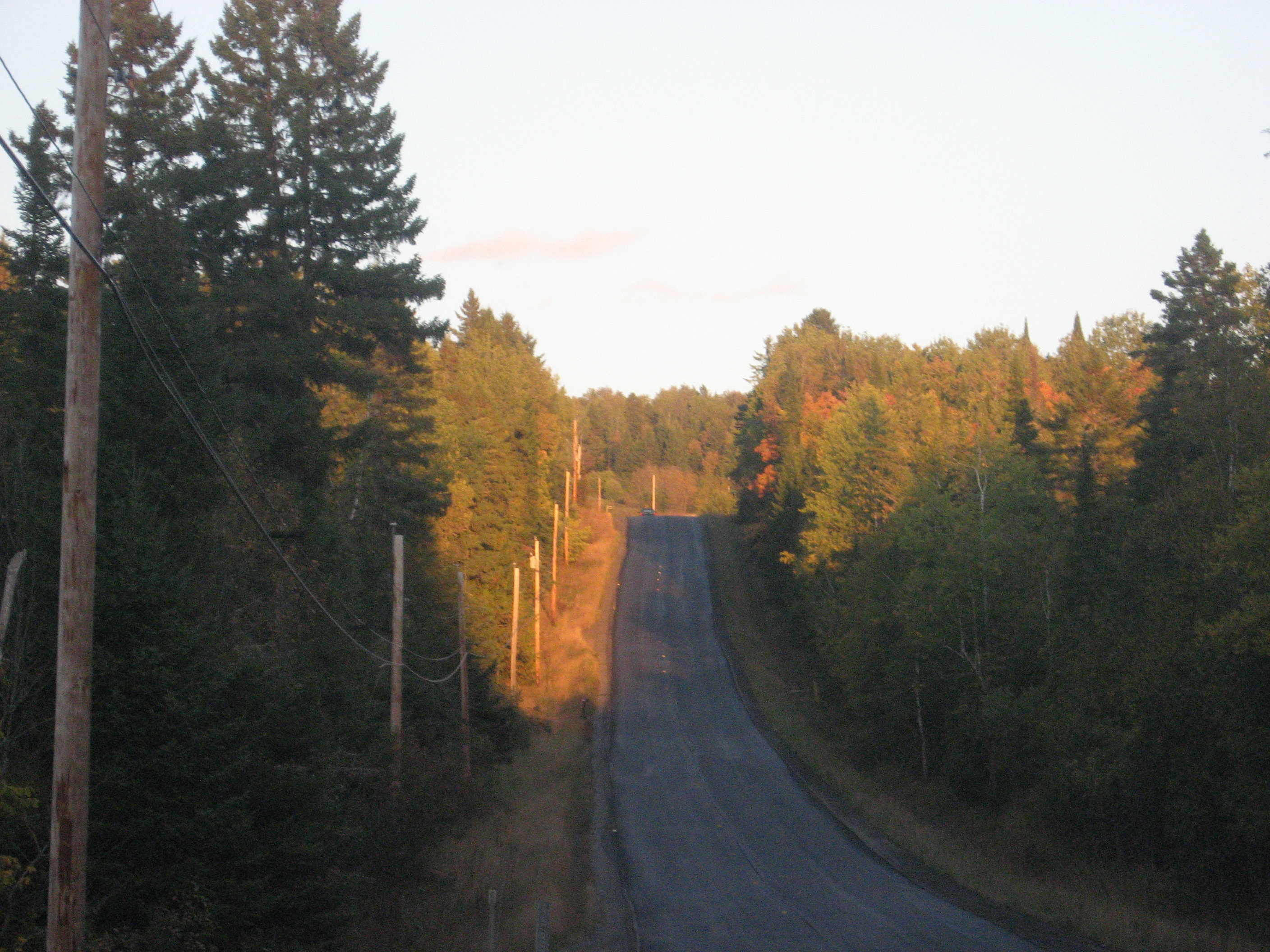
With dropping temperatures, the trees started to go down the spectrum. Some leaves went gradually, their emerald green fading to slowly to reveal their yellow. They took their time, and wanted to experience every shade of green on the way down.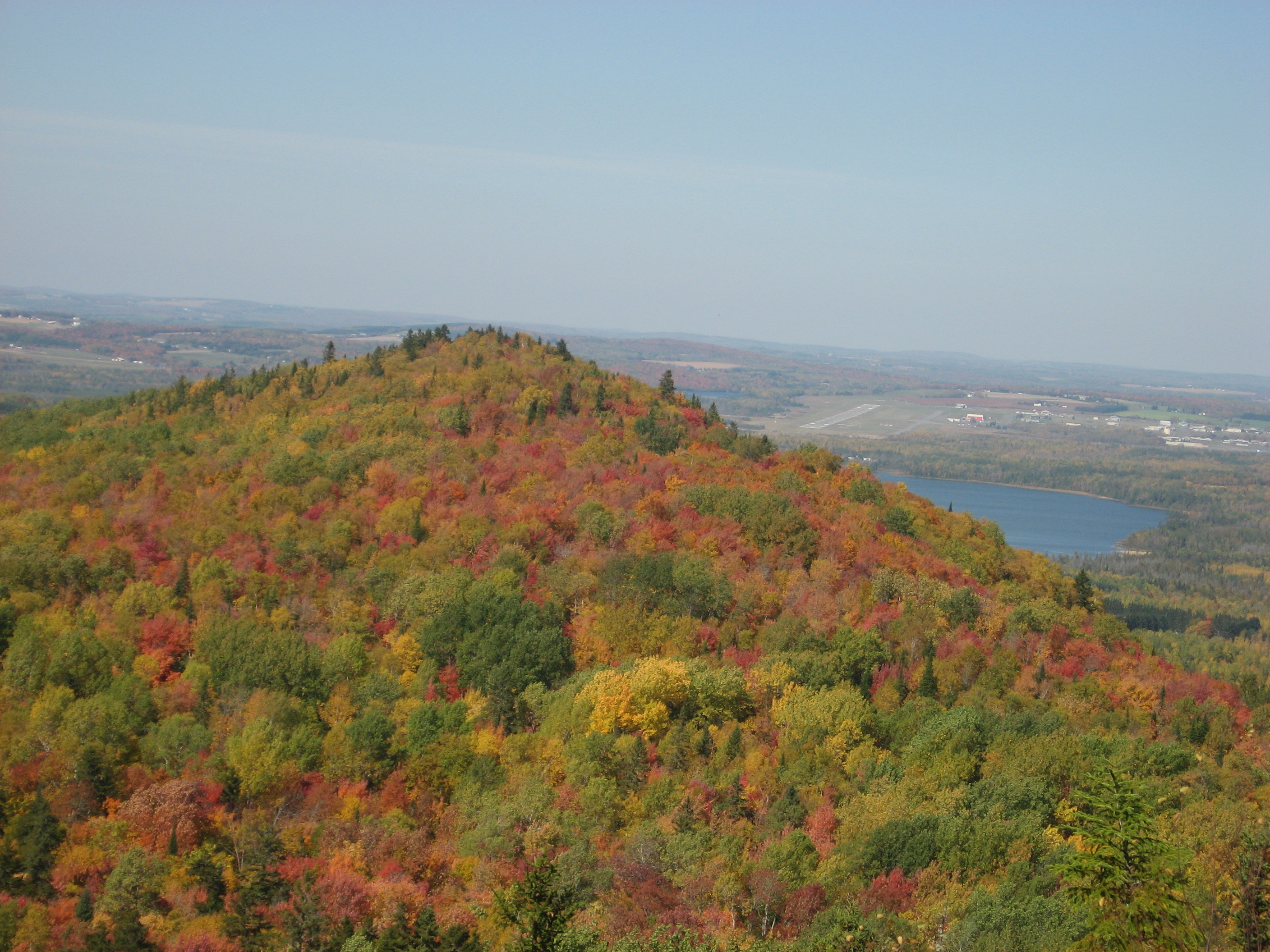
Others shed green like a bad habit, a color that had defined them for too long, and craved a change to the color of goldenrod. They were antsy, they wanted attention, they wanted to be different. They stuck out like bright beacons of prestige. They were distinguished by the way they were different, the bold eye-attracting radiance with which they drew your eye. They’d wasted no time changing, but little did they know they’d be the first to fall. Chumps.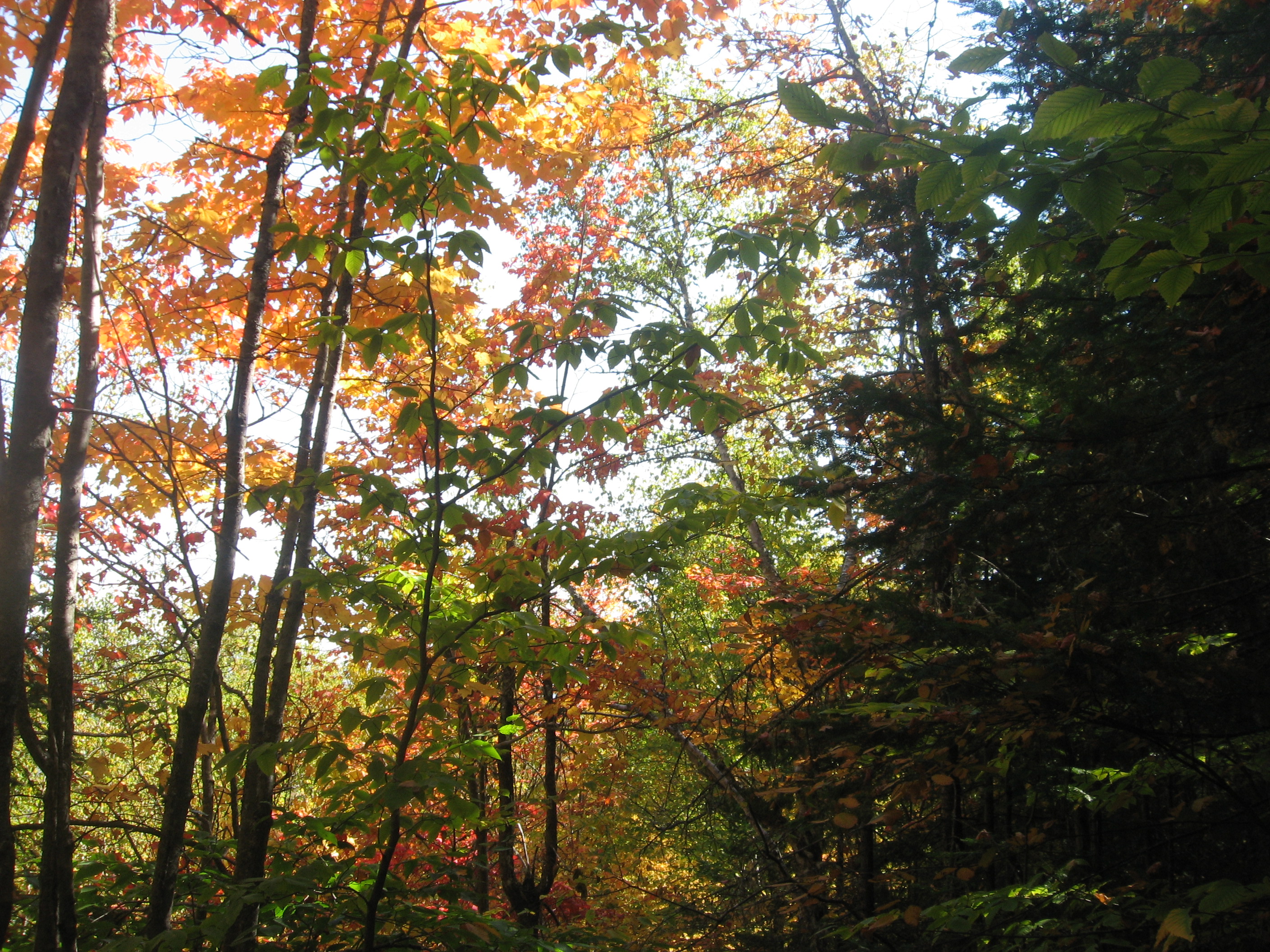
Even more took another space on the spectrum. These trees steadily took on a deep shade of orange. They were sick of green, thought themselves better than a basic yellow, and wanted to dazzle you with their dynamic color. Its as if they wanted to incite something. Like a feeling of controlled fury. A fiery, burning, sensational passion with which a man could move a mountain, or climb that mountain, or paint that mountain, or, I don’t know, do something that involved a mountain.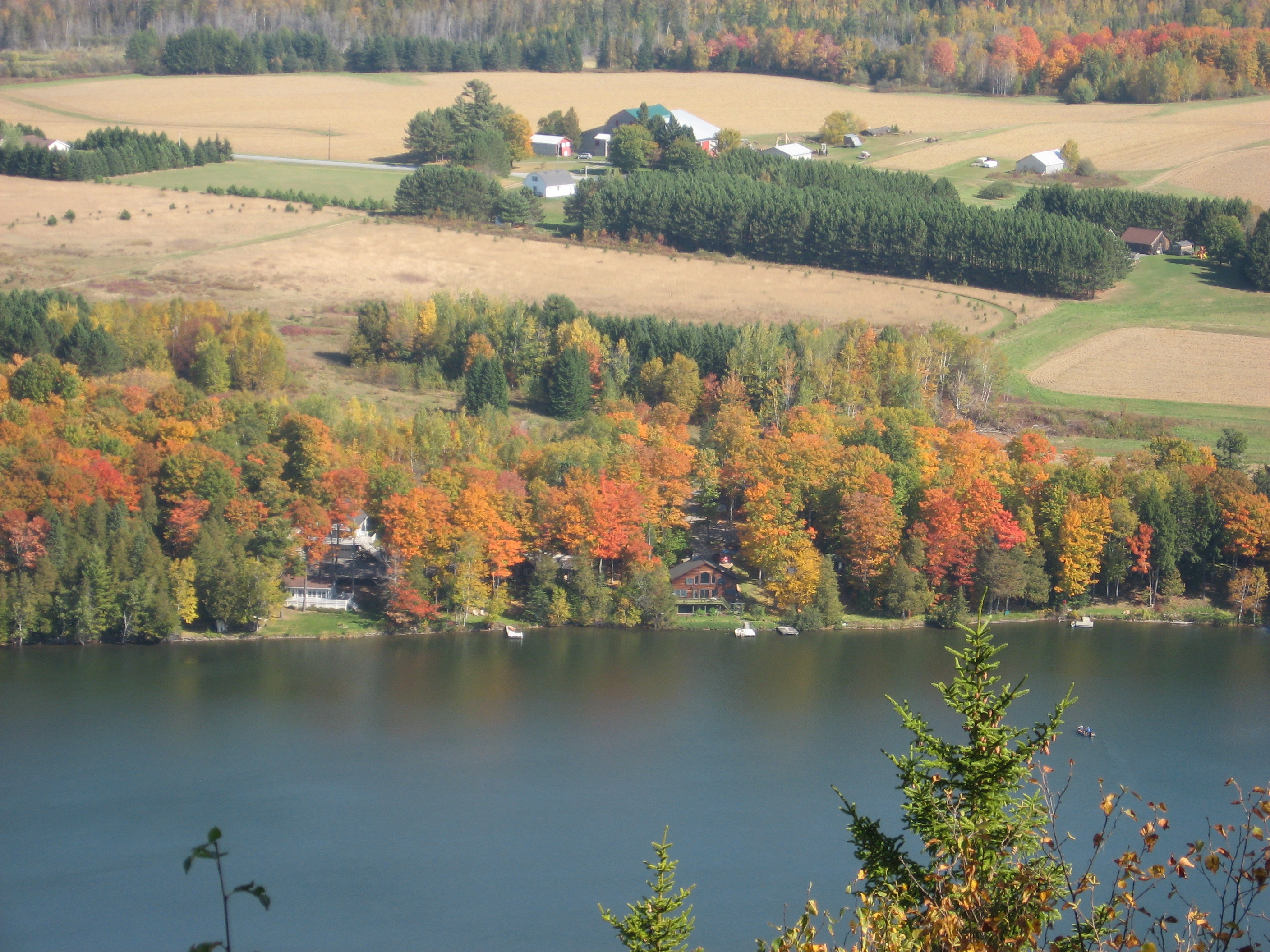
But then…then… then comes the most outstanding of all the colors. A fall color I’d never seen more prevalent or vibrant in all my life. It was the regal red that Canadians so revered that they put it smack dab in the middle of their flag and made it their national symbol. The majestic red maple leaves were the most fantastic and dignified of all the leaves.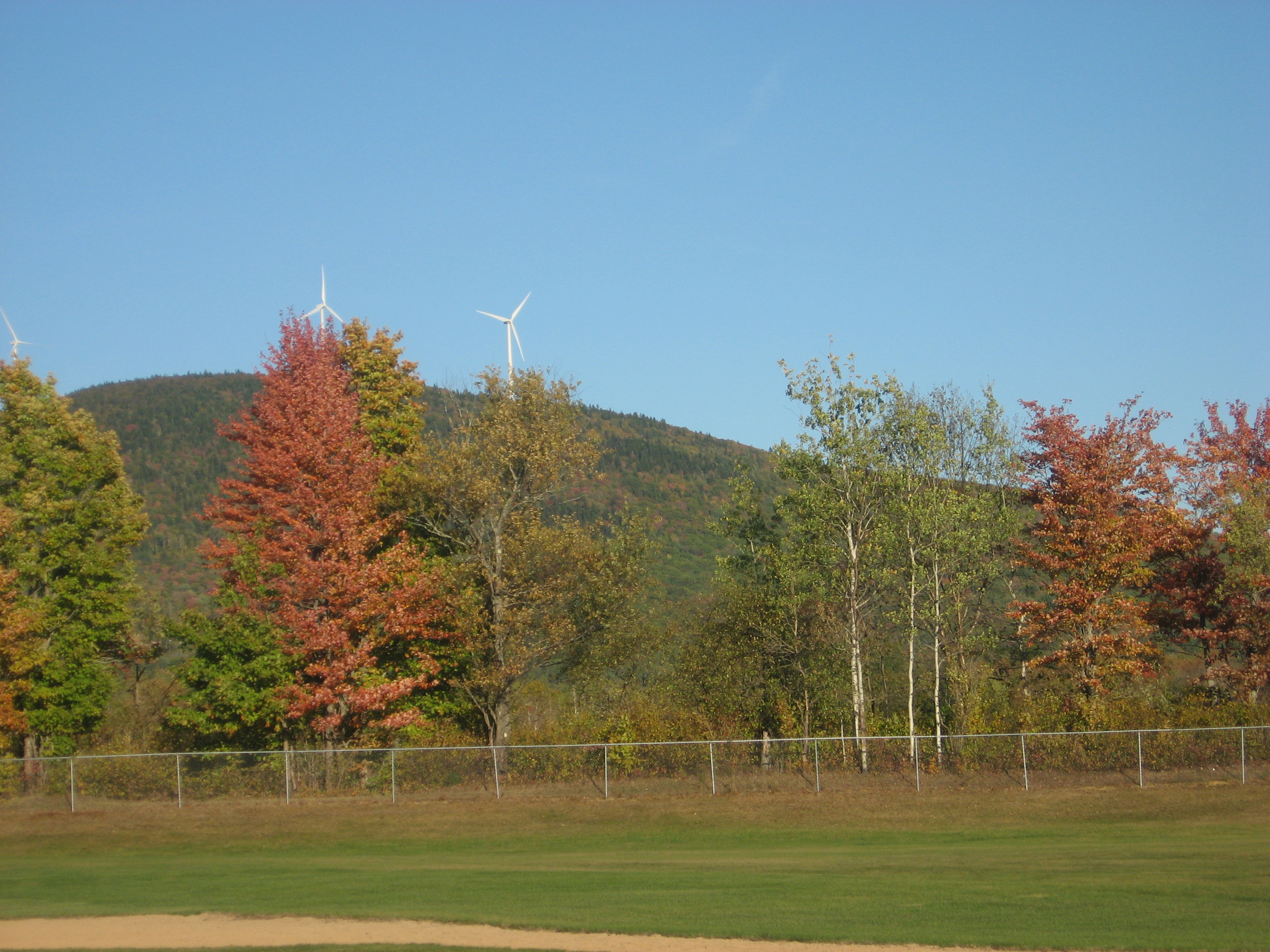
Their contrast with their surroundings was not subtle, but not ostentatious. Their shade was vigorous, yet dignified and calm. Their abundance was plenty, but not overpowering. They were kings amongst leaves. They were the kinds of leaves you pick up and take home with you, not sweep away into a 56-gallon garbage bag. To rake these kinds of leaves into a pile and dive head first into them would almost be a crime. A dreadful, sensual, magnificent crime.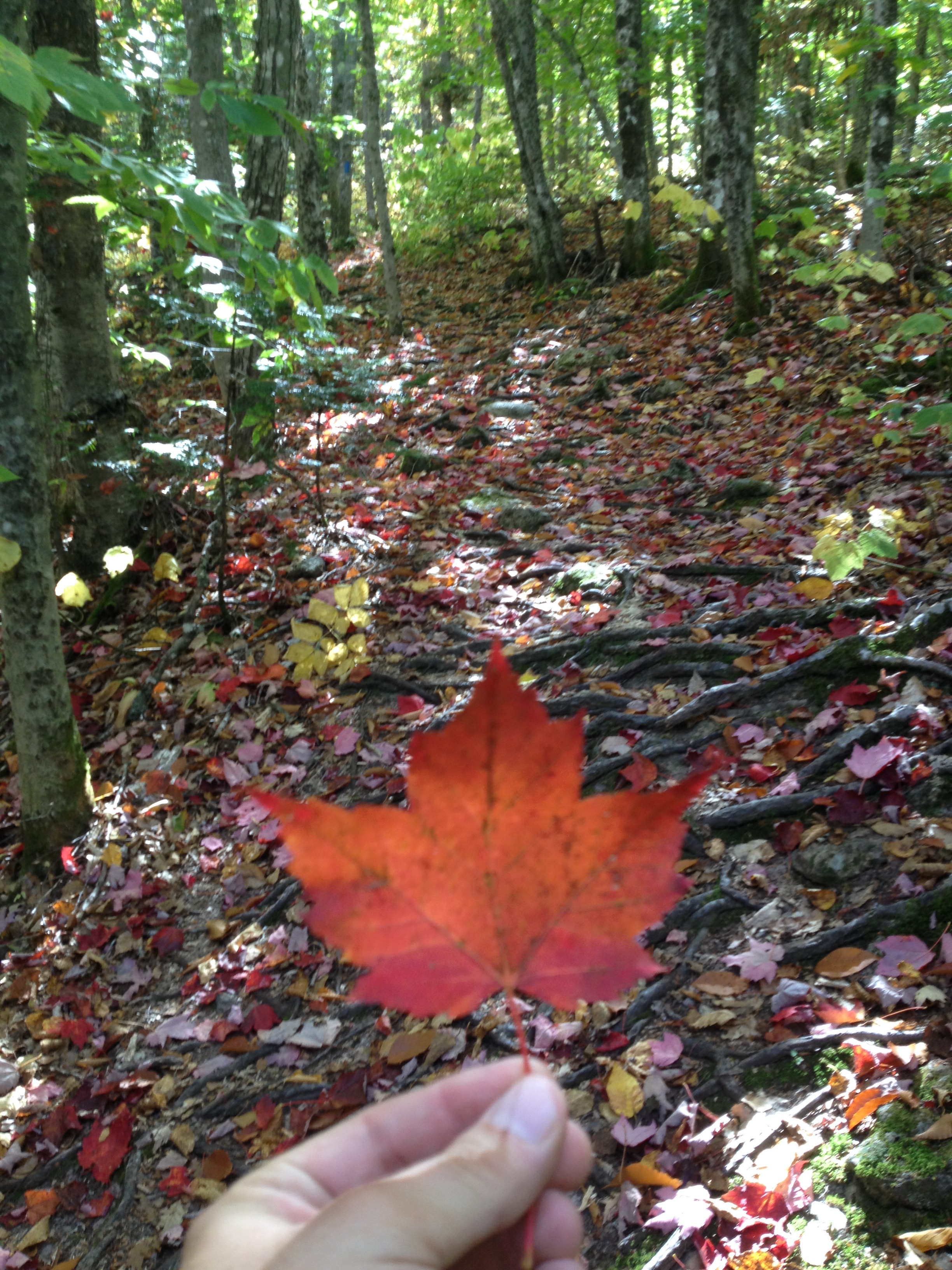
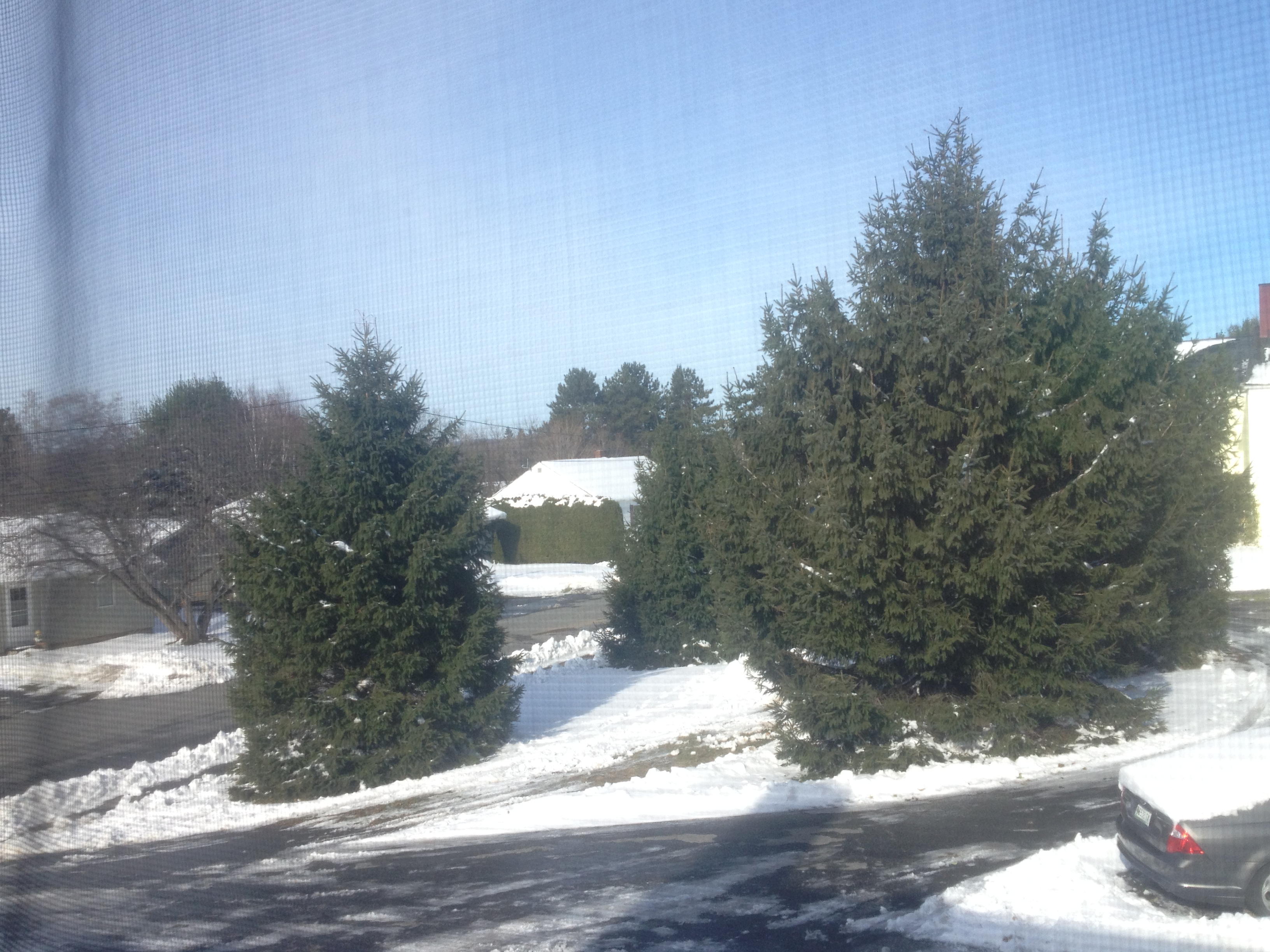
But now, as November has come, and the first snow has fallen on Aroostook County, the brilliance of the autumn has fallen to the ground. All that stands are the steadfast evergreens. The trees that are unshakable in resolve and color. They have an ever-present allure of command. They’re there year round. When no other tree can bear the chill of frost, the weight of snow, the bleak reality of winter, they stand tall.
It’s as if the conifers enjoy it for some reason.They withstand the harshest breezin’, the most polar freezin’, and change their color for no season.
 Jake Berent
Leave a comment